


In the rapidly evolving landscape of advanced electronic nicotine delivery systems (ENDS) and botanical vaporization platforms, device longevity, safety, and hygiene have moved from secondary user considerations to central engineering demands. As global regulators tighten rules on heavy metal emissions, chemical residues, and biological contaminants, the maintenance and cleaning protocols designed into devices during the OEM design phase have become a primary competitive differentiator.
Shenzhen Leaf Vape Co., Ltd. stands as a pioneer in this technical paradigm, specializing in smart postless vape devices engineered for modern, discerning consumers seeking premium performance, zero contamination, and long-term hardware reliability. Under our premier industrial brand, StrainX Vape – Leaf, we are redefining modern vaping by merging structural mechanics with automated cleaning methodologies, serving global distributors and brands with certified compliance and industrial-grade quality control.
By targeting the root causes of aerosol degradation—such as residual condensation buildup, micro-capillary clogging, and heating element oxidation—our technical solutions ensure consistent flavor profiles and prevent hazardous component breakdown over extended usage lifetimes.
How StrainX Vape – Leaf addresses residue buildup and structural integrity from the drafting board.
Advanced battery protection units monitor internal discharge rates, ensuring steady temperature curves that prevent e-liquid scorching, which typically forms stubborn carbonaceous residues.
Dual-chamber collection zones isolate unvaporized condensation from electronic components, preventing micro-shorts and enabling rapid cotton-swab sanitization without dismantling.
By eliminating central metal posts, we minimize horizontal surface areas where high-viscosity distillates pool, creating a streamlined vertical airflow channel that remains self-draining.
Achieving long-term stability in electronic nebulization devices involves minimizing user maintenance actions through proactive hardware design. The R&D pipeline at Shenzhen Leaf Vape Co., Ltd. focuses heavily on self-cleaning and residue-repellent materials. Over the next five years, our technical roadmap transitions from passive user-driven protocols to automated, active mitigation systems:
Traditional vapor paths face aerosol coalescence, where micro-droplets merge to form larger fluid pockets. By applying medical-grade, fluoropolymer-free, nano-hydrophobic and oleophobic coatings inside our postless chambers, we reduce surface energy. Liquids flow naturally toward the heating zone rather than adhering to airflow channel walls, eliminating manual clearing cycles.
Similar to industrial self-cleaning ovens, smart rechargeable batteries can power localized high-temperature bursts under controlled conditions. This dry-cleaning pulse heats the ceramic element to burn off organic debris (concentrate carbonization) without degrading structural sealants. It restores flavor purity and extends component lifespan by up to 200%.
Integrating tiny differential pressure sensors within smart vape chipsets allows real-time monitoring of inhalation resistance. If condensation restricts air paths, the device alerts the user via a haptic feedback cue or companion application, recommending specific maintenance procedures before irreversible clogging or damage occurs.
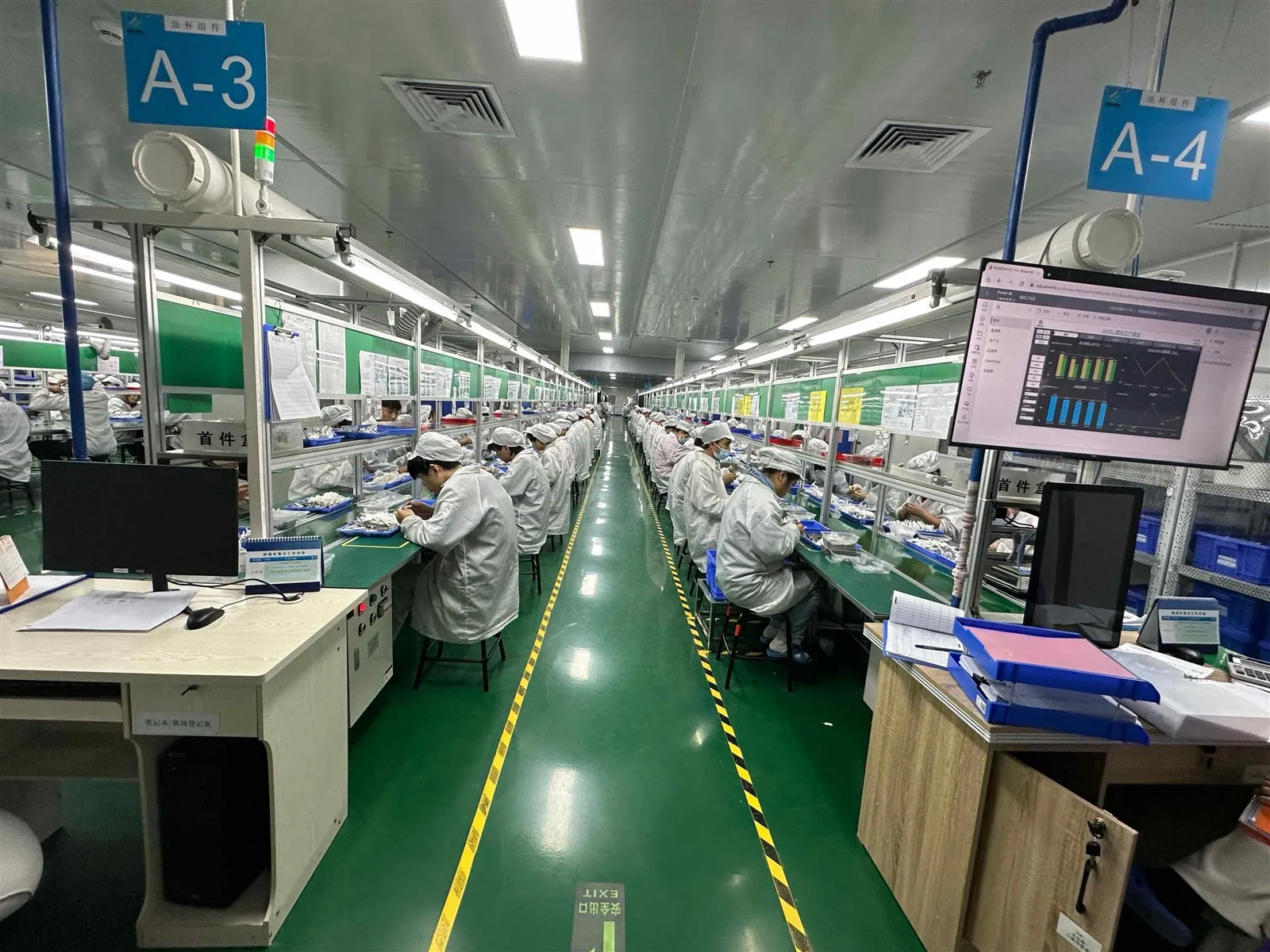
Operating out of Bao’an District, Shenzhen—the undisputed epicenter of global vaping hardware technology—our manufacturing facility features advanced vertical integration. Unlike assembly-only workshops, Shenzhen Leaf Vape Co., Ltd. maintains absolute oversight across the entire component pipeline, ensuring strict quality control from raw materials to final packaging.
Our facility houses high-precision CNC machining centers, automated liquid silicone injection (LSR) molding cleanrooms, and automated testing labs. This direct integration ensures:
Vaping hardware maintenance needs vary by region due to localized formulations, temperature profiles, and regional regulatory landscapes. Our custom OEM engineering matches these localized environments directly.
In the US and Canada, the use of dense, highly viscous herbal extracts (such as CBD and solventless distillates) makes clogging a common failure point. We optimize our oil-entry channels, integrating low-temp preheating protocols that liquefy residues before activation, reducing manual maintenance demands.
EU Tobacco Products Directive (TPD) rules restrict tank sizes and mandate child-resistant, leak-proof designs. Our EU-destined products feature tamper-proof, closed-loop housings that limit leak pathways and protect internal components from accidental cleaning damage.
High-salt nicotine formulations are highly corrosive to standard metals. For regions where salt-nic dominates, our internal airways utilize premium SS316L and titanium alloys, preventing pitting corrosion even under extended contact with acidic flavorings.
Furthermore, our manufacturing compliance matches top global standards. Our factories maintain ISO 9001:2015 certification for quality management, alongside strict adherence to CE, RoHS, and FCC directives. We assist OEM clients in preparing documentation for US FDA PMTA filings, specializing in providing clear material trace records and emission testing verification.
Answering crucial industry questions on aerosol hardware performance, reliability, and maintenance.



 Leaf Vape